Network Design: Creating a Robust Infrastructure for Your Business
AM
Understanding Network Design
In today's digital age, having a robust network infrastructure is essential for business success. Network design involves planning and implementing a framework that ensures reliable and efficient data flow across your organization. This foundational setup allows for seamless communication, data sharing, and resource access, which are critical for day-to-day operations.
Effective network design begins with understanding your business needs. Whether it's supporting remote work, expanding office locations, or enhancing security, a well-structured network is vital. By addressing these requirements, businesses can optimize performance and scalability.
Key Components of Network Design
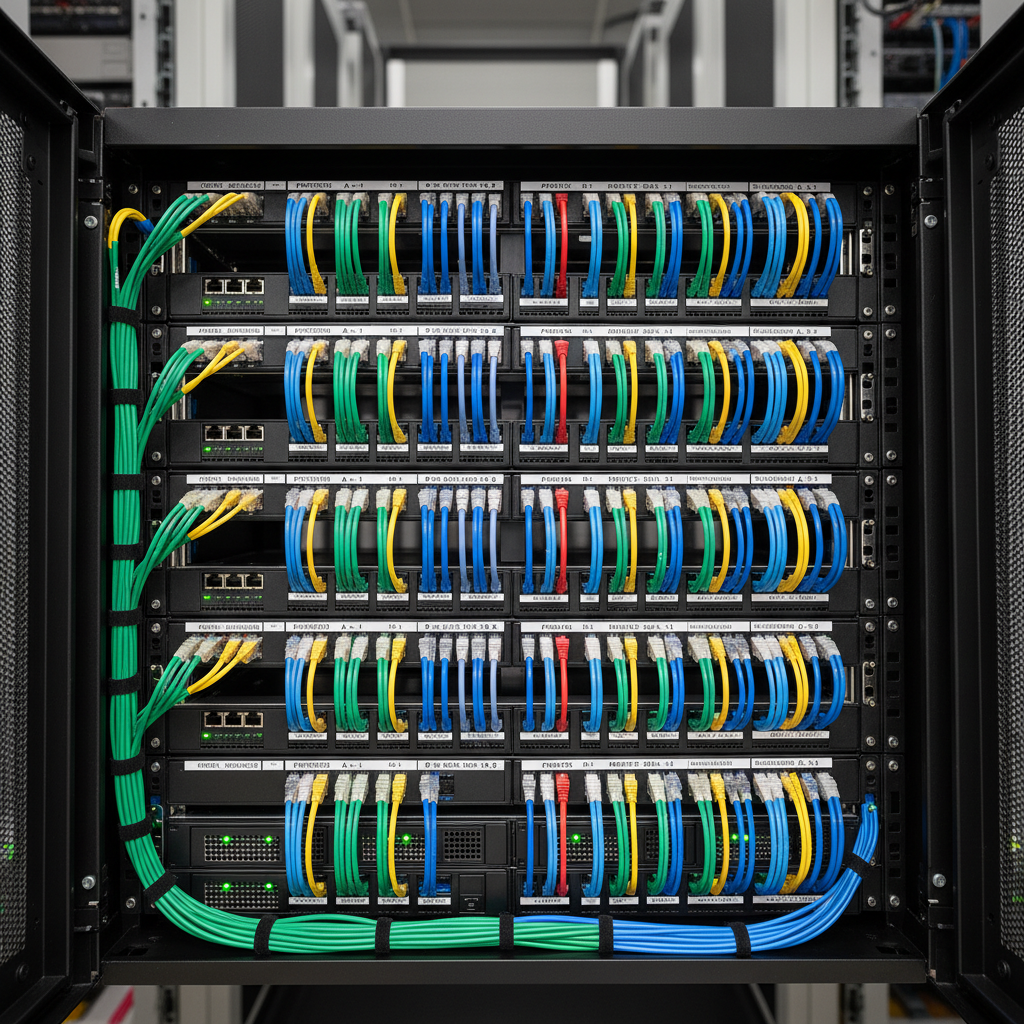
A successful network design includes several key components. These elements work together to create an infrastructure that supports current and future business needs. Here are the primary components to consider:
- Hardware: Routers, switches, and servers form the backbone of any network.
- Software: Network management tools help monitor and control the network.
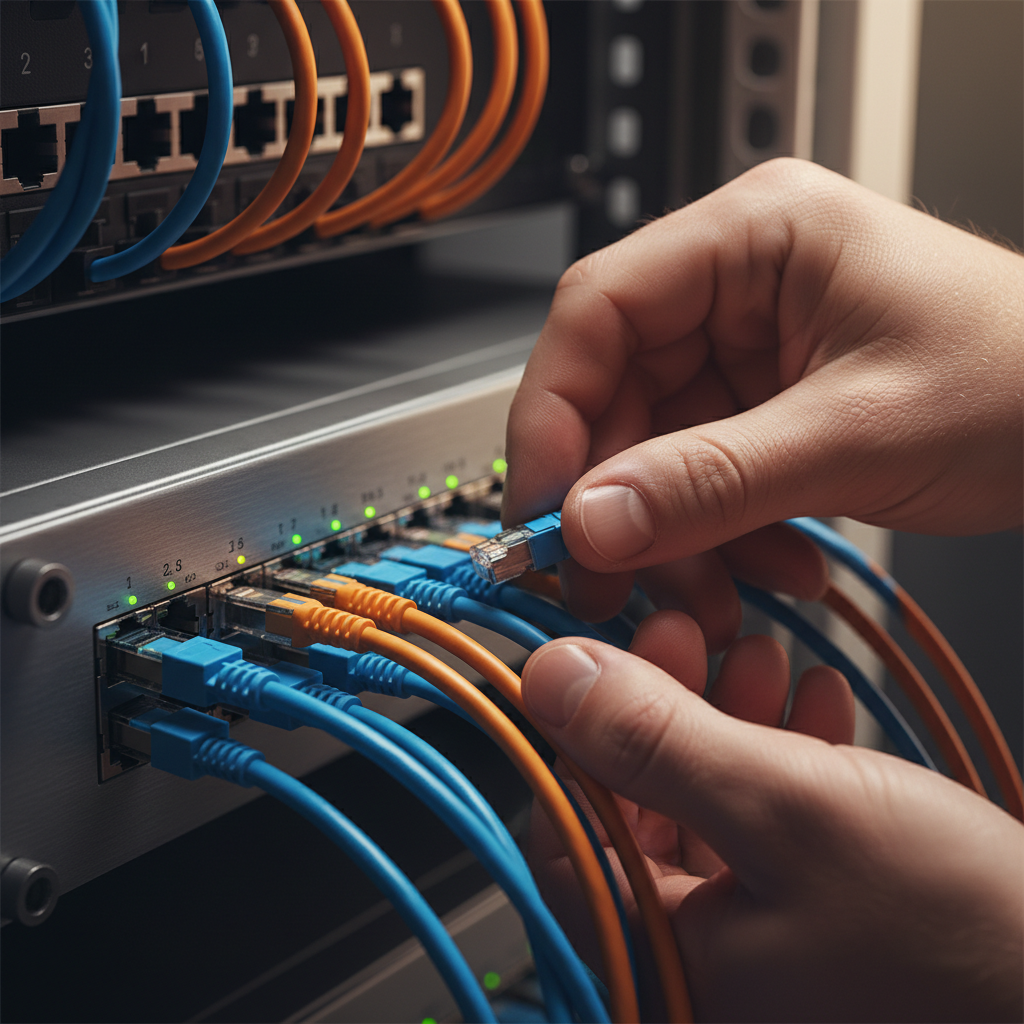
- Cabling: High-quality cables ensure reliable data transmission.
- Security: Firewalls and encryption protocols protect data from threats.
Each component must be carefully selected and integrated to ensure a cohesive structure that supports the business's goals and growth.
Designing for Scalability and Flexibility
Scalability and flexibility are crucial considerations in network design. As businesses expand, their networks must accommodate increased traffic and additional devices without compromising performance. Designing a network with scalability in mind ensures that your infrastructure can grow alongside your business.
Flexibility is equally important, allowing for the integration of new technologies and the adaptation to changing business environments. This includes the ability to seamlessly add new users, locations, and services to your network.

Implementing Security Measures
Security is a top priority when designing a network infrastructure. Protecting sensitive data and ensuring secure communication is paramount. Implementing robust security measures such as firewalls, intrusion detection systems, and encrypted connections is essential to safeguard your business against cyber threats.
Regular security audits and updates should be part of your network management strategy to address vulnerabilities and stay ahead of potential threats. Training employees on security best practices also helps mitigate risks associated with human error.
Monitoring and Maintenance
Once your network is designed and implemented, ongoing monitoring and maintenance are crucial to ensure continued performance and reliability. Network management tools provide real-time insights into traffic patterns, potential bottlenecks, and security threats.
Regular maintenance, such as firmware updates and hardware checks, helps prevent issues before they impact your operations. A proactive approach to network management can save time and resources by reducing downtime and improving efficiency.

Conclusion
Creating a robust network infrastructure is a critical step in supporting your business's growth and success. By focusing on key components such as hardware, software, scalability, and security, you can build a network that meets your current needs while remaining adaptable to future demands. Regular monitoring and maintenance ensure your network continues to operate smoothly, providing a strong foundation for your business operations.